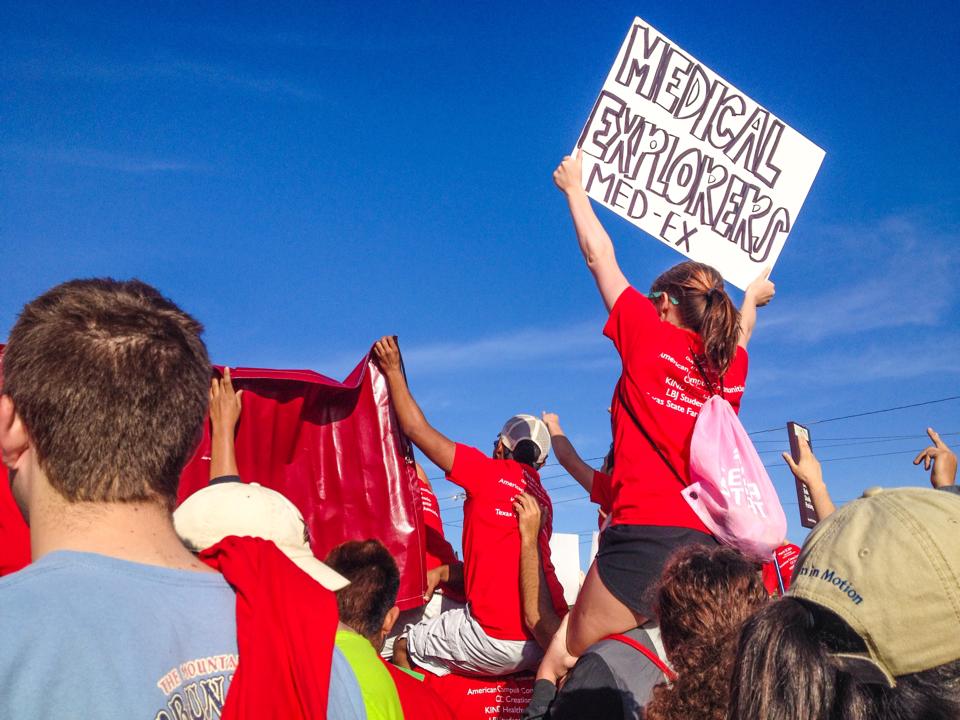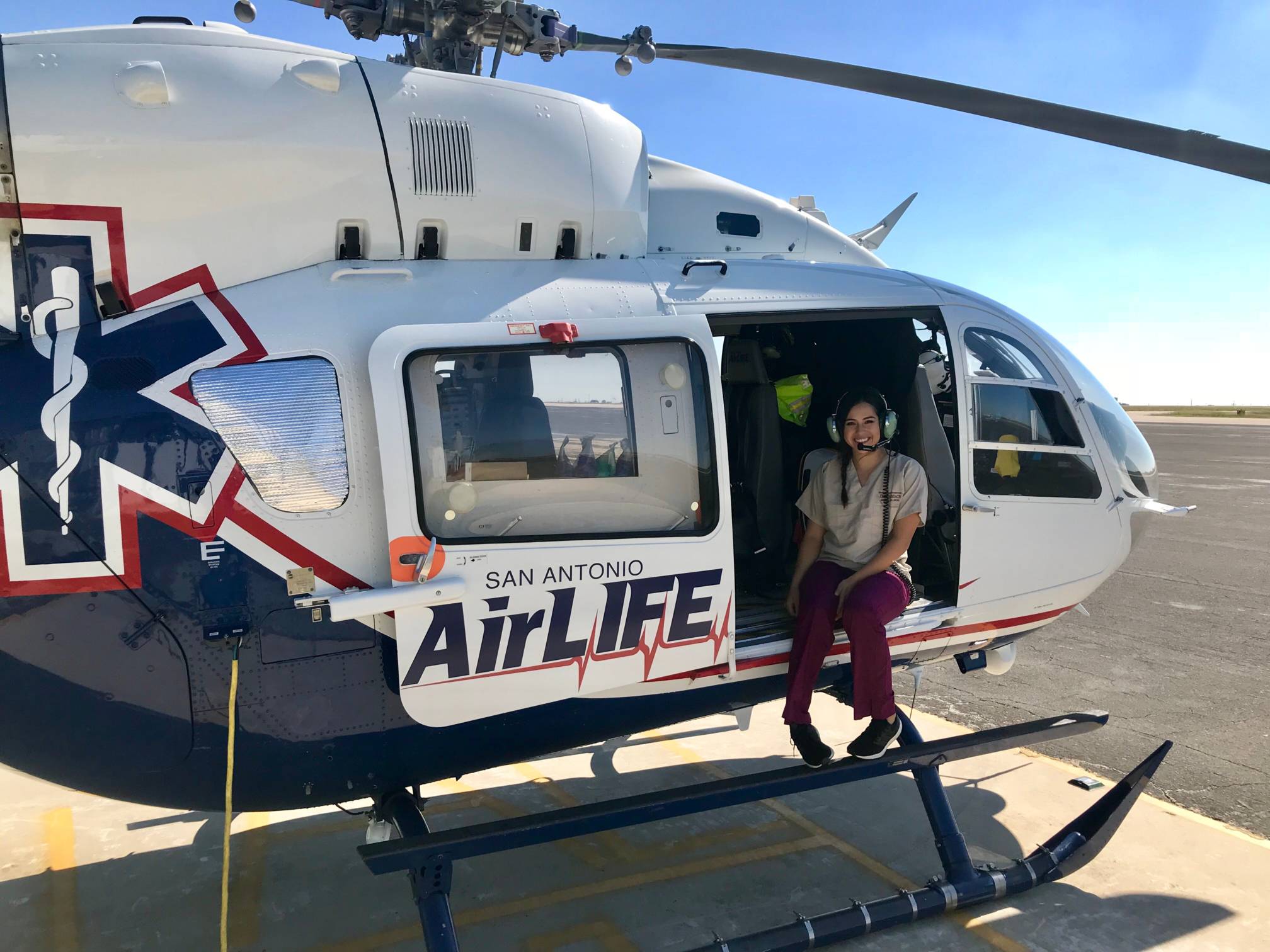


woman in medical scrubs sitting in helicopter

Semester Schedule

Our schedule changes throughout the semester as new opportunities are added.

  • Check the schedule weekly for updates
  • The calendar shows group activities and training sessions
  • Individual volunteer placements are typically not listed publicly

If you miss a training session, check the schedule for the next available option or contact a senior advisor.

Level One Training Requirements

Overview

Level One Training is the foundation of your experience in Medical Explorers. These courses prepare you to safely participate in volunteer activities and begin developing healthcare skills.

Completing Level One Training opens the door to more advanced opportunities within the program.

The faster you complete your training—while maintaining your academic priorities—the sooner you can begin participating more fully in hands-on experiences.

  • Core Training Courses

    • This session introduces you to the structure, purpose, and expectations of Omega Leo Medical Explorers.

      You will learn:

      • How the program operates within Texas State University and partner organizations
      • The roles of advisors, leadership, and members
      • Your responsibilities as a new member
      • Opportunities for growth, leadership, and advancement

      This course sets the tone for your experience and helps you understand how to navigate the program successfully.

    • All members must be certified in Basic Life Support (BLS) through an approved organization.

      This is a professional-level certification, not a basic community CPR course.

      Training includes:

      • Adult, child, and infant CPR
      • Use of Automated External Defibrillators (AEDs)
      • Team-based emergency response
      • Recognizing life-threatening conditions

      Certification must:

      • Be current (renewed every 2 years)
      • Be from an approved provider (AHA, Red Cross, ECSI, or HSI)

      This certification is essential because it prepares you to respond immediately in life-threatening situations.

    • First Aid training provides the foundational knowledge needed to respond to a wide range of medical situations before professional help arrives.

      Topics include:

      • Wound care and bleeding control
      • Burns, fractures, and sprains
      • Medical emergencies such as allergic reactions or seizures
      • Scene safety and patient assessment

      This certification must be maintained every two years and is required for participation in most volunteer activities.

    • This course introduces the legal and ethical responsibilities of protecting patient information.

      You will learn:

      • What constitutes protected health information (PHI)
      • Your responsibilities as a healthcare volunteer
      • Legal consequences of violations
      • Real-world examples of HIPAA issues

      This training is required in all healthcare environments and is critical to maintaining trust and professionalism.

    • This course builds on HIPAA Basics by focusing on modern risks related to technology and data security.

      Topics include:

      • Protecting patient data in digital systems
      • Risks associated with social media
      • Cybersecurity threats in healthcare
      • Best practices for safeguarding information

      Understanding these risks is essential in today’s healthcare environment, where data security is a major concern.

    • This course prepares you to protect yourself and others from infectious diseases.

      Topics include:

      • Blood-borne pathogens (e.g., HIV, Hepatitis)
      • Airborne and contact-based transmission
      • Use of Personal Protective Equipment (PPE)
      • Safe handling of potentially hazardous materials

      This training ensures that you can participate safely in environments where exposure risks may exist.

    • This course focuses on safety and professionalism when working with minors.

      You will learn:

      • Appropriate boundaries and interactions
      • Scouting America safety policies
      • Two-deep leadership requirements
      • Preventing and recognizing inappropriate behavior

      This training is required to ensure a safe environment for all participants.

    • This required online course must be completed through Scouting America.

      Requirements:

      • Certificate must be submitted to program leadership
      • Must be renewed every two years
      • Completion is required to finalize membership

      This training reinforces policies designed to protect youth and maintain safe program operations.

    • This course focuses on responding to severe trauma and life-threatening bleeding.

      You will learn:

      • How to recognize critical bleeding
      • Proper use of tourniquets
      • Wound packing with hemostatic gauze
      • Immediate response techniques in emergency situations

      Hands-on practice is included to build confidence in high-pressure scenarios.

    • This is one of the most important skill-based components of the program.

      You will learn to measure and interpret:

      • Blood pressure (manual and automated)
      • Blood glucose levels
      • Oxygen saturation and pulse
      • Heart and lung sounds

      You will also be introduced to:

      • Basic patient assessment techniques
      • Recognizing normal vs. abnormal values

      These skills are practiced repeatedly and reinforced through real volunteer opportunities.

    • This training prepares you to respond to opioid overdoses.

      You will learn:

      • When and how to administer Narcan
      • Recognizing signs of overdose
      • Safety considerations during response

      Certification may be completed online or in person, depending on availability.

    • This training covers the safe and appropriate use of medical oxygen.

      Topics include:

      • When oxygen should be administered
      • Equipment setup and operation
      • Approved usage limits within the program

      This skill is especially relevant during emergency response situations.

    • This course focuses on how you present yourself and interact in healthcare environments.

      Topics include:

      • Communication with patients and healthcare teams
      • Professional appearance and behavior
      • Emotional intelligence and empathy
      • Expectations in clinical and volunteer settings

      This training is a defining part of the program. As a Medical Explorer, you are expected to act and present yourself as a healthcare professional from the beginning.

  • Additional Training (Strongly Encouraged)

    • All members are encouraged to complete:

      • Introduction to Community Emergency Response Team (CERT)

      Advanced opportunities include:

      • Additional FEMA certifications
      • Instructor-level training

Expecations of All Members

Academics First

Your primary responsibility is your academic success.
Do not sacrifice your coursework—but learn to manage your time effectively.

Commitment to Training & Service

After academics, your next priority is:

Progress in the program depends on your level of engagement.

  • You may encounter situations that are unfamiliar or uncomfortable. An important mindset in this field is:

    “No job is too small, and no job is too yucky.”

    With proper training and experience, confidence grows over time.

  • Reliability is one of the most important expectations in this program.

    • If you commit to an event → you must show up
    • Communicate early if you cannot attend
    • No-shows are taken seriously and may impact your ability to participate

    This reflects real healthcare expectations; people depend on you.

  • Among your early tasks is to begin preparing your Medical Explorer resume. This resume looks very different from your professional resume. There is a Medical Explorer Standard Operating Procedure (SOP) on how to write a Medical Explorer Resume (SOP 1102.02.01).

    Another early task is to prepare an electronic spreadsheet log showing the detailed hours for the activities on your Medical Explorer resume. See SOP 1100.02.02 for details about how to prepare this volunteer hour log. Ask for a copy of this Standard Operating Procedure and the associated template for your spreadsheet. 

    Both of the above documents should be started in your first month as a Medical Explorer. Record all your training and volunteer activities within a week after they occur.

    Your officers and Dr. Johnson need monthly copies of your resume and volunteer hour spreadsheet. They cannot do what needs to be done to help you without your updated resume and volunteer spreadsheet.

Final Note

This program prepares you for real healthcare environments through training and hands-on experience. Stay engaged and take advantage of opportunities to build valuable skills. If you feel overwhelmed, reach out early—support is always available.