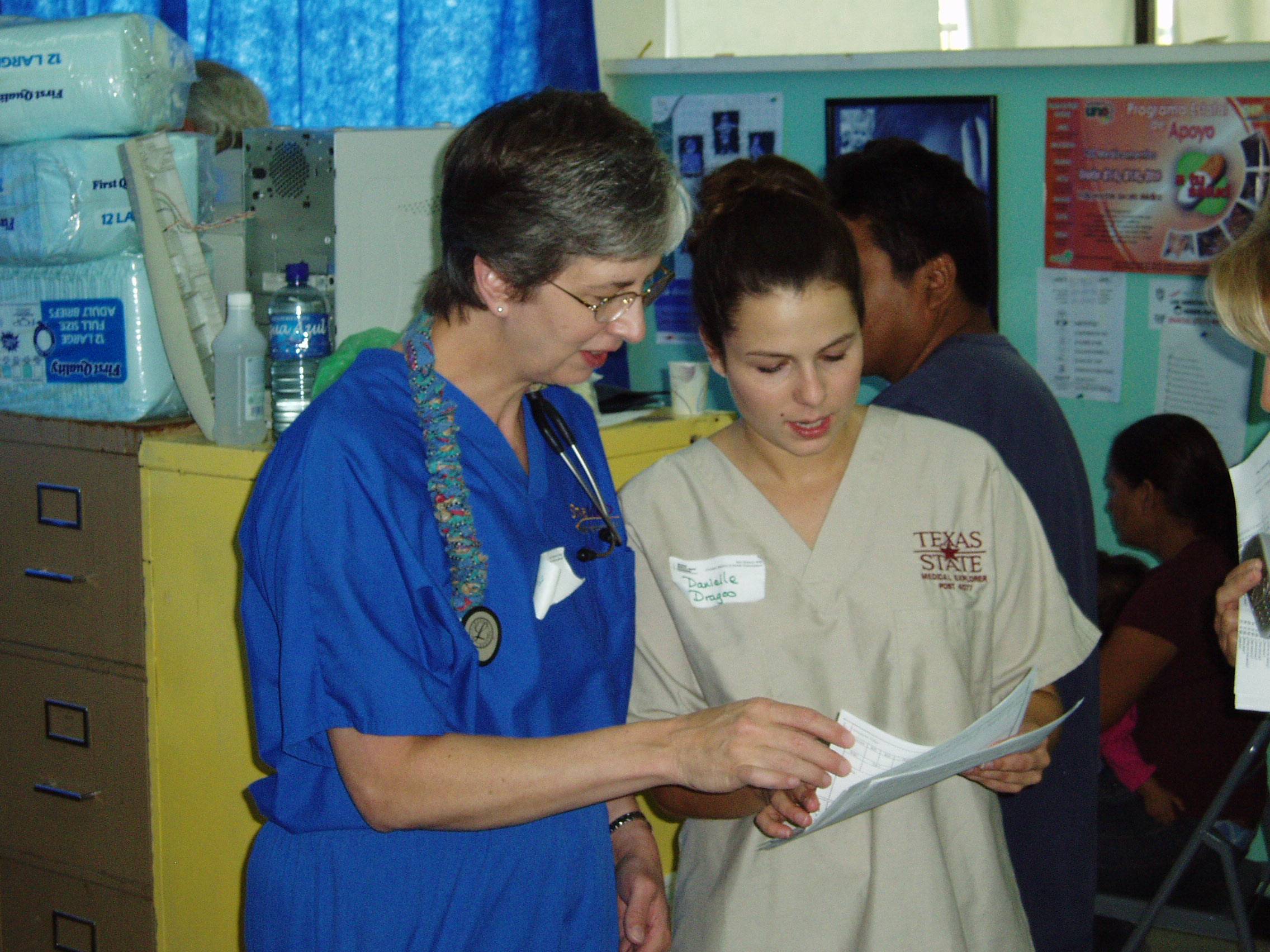
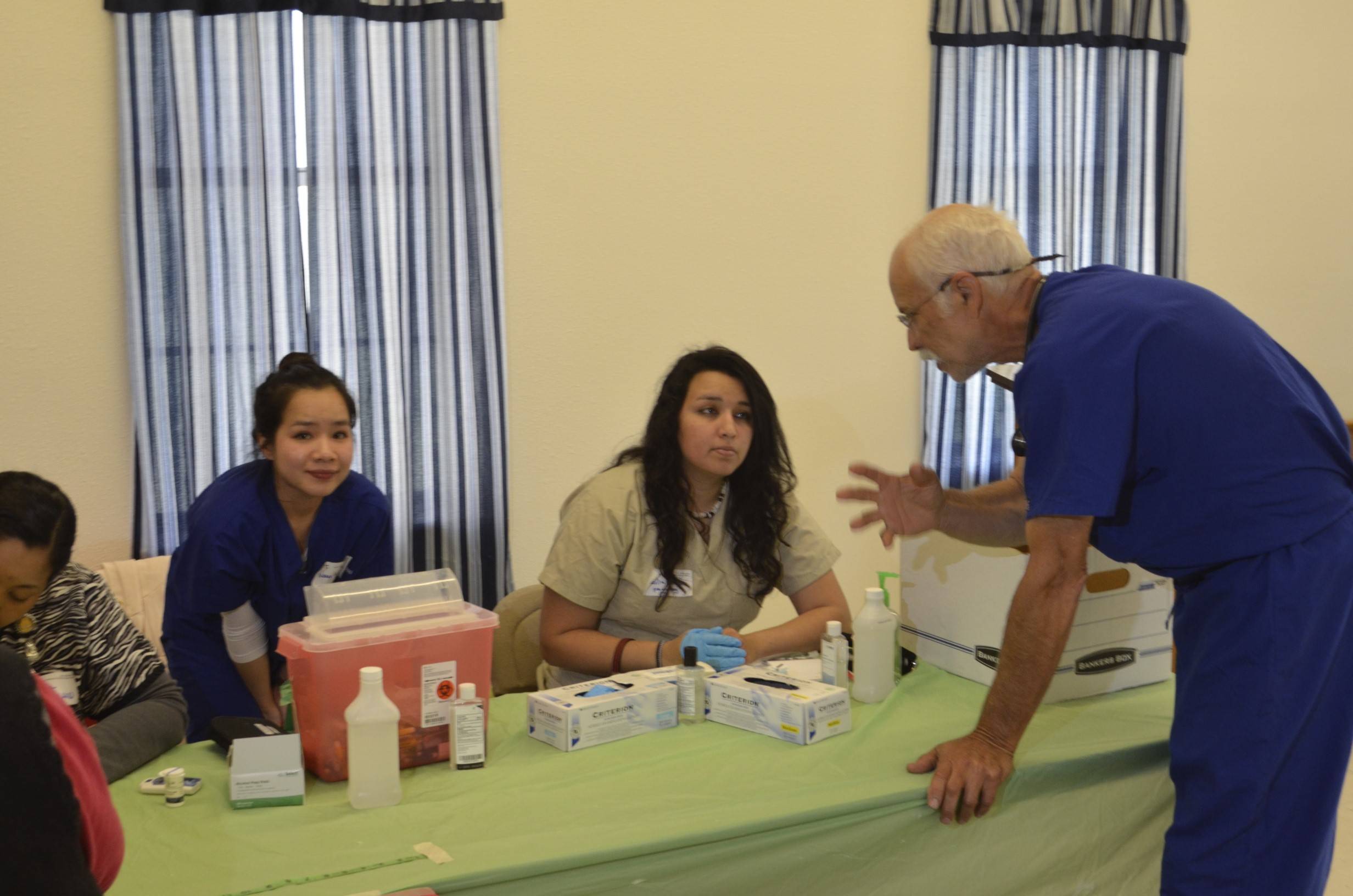
Medical Explorer assisting on a medical mission trip

Why a New Way is Needed

Financial pressures, insurance reimbursement, HIPAA privacy concerns, shortages of physicians having to serve many more patients, has killed traditional ways of preparing future health professionals. Yet the need remains.

Students need a way to discover their place.

Shadowing physicians and other health professionals is much more difficult than it was 10-15 years ago. As a whole, physicians support shadowing, but healthcare has changed. 

The following list is a clear analysis of why a New Way of preparing future health professionals is needed.

It's the mission of our Omega Leo Medical Explorer program to “Preserve” the tradition of "shadowing." We have a New Way that meets the following barriers head-on to solve an important workforce development problem.

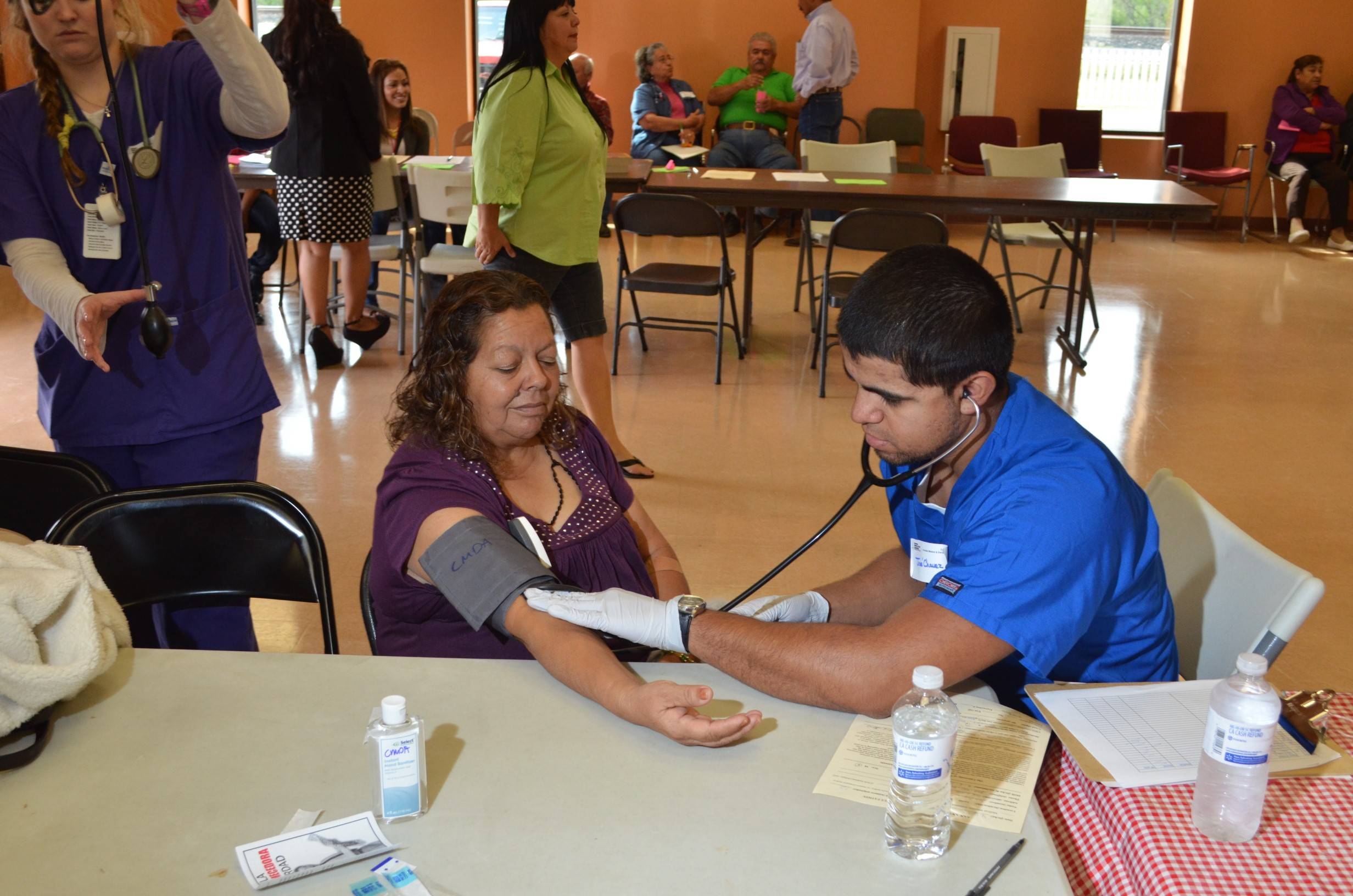
Medical Explorer measuring blood pressure

Why Traditional Shadowing is Not Working Today

Changes in the U.S. healthcare system over the past 10-15 years have created an environment where many of the traditional ways students could discover what type of health professional was right for them are no longer available. Our Omega Leo Medical Explorers have addressed all of the barriers below, and we see our program as preserving the best of traditions and still allowing students to find their place as a compassionate health professional with a heart and duty for service.

We do this through a structured partnership between the university, Scouting America, Lions Clubs International, and our community healthcare partners. We could not achieve our objectives if it were not for the provider and institutional partners who have joined us and see the value in our program.

Click on each obstacle below to see a further discussion.

  • Since the implementation of the Health Insurance Portability and Accountability Act (HIPAA) in 1996, healthcare institutions face strict penalties for privacy violations.

    Why this matters for shadowing:

    Any observer in the room must be documented.

    • Patients must consent in writing.
    • Institutions worry about liability if a student overhears or views protected health information (PHI).
    • HIPAA compliance officers often default to “no” unless a formal structured program exists. 

    Even informal shadowing (which used to be common) now feels like an unnecessary regulatory risk by the institution or provider. Our Medical Explorer training requires training in HIPAA Basics (responsibility and penalties) and the newer threats related to HIPAA Cyber Security. Medical Explorers receive much more training in HIPAA than typical new healthcare employees receive.

  • Hospitals and large health systems are increasingly risk-averse.

    • Shadowing students are not employees.
    • They're not covered by hospital malpractice insurance.
    • Background checks, vaccination records, TB screening, and drug screens may be required and are frequently considered an unnecessary additional expense. Any hospital administrator must be concerned about Return on Investment (ROI), and these expenses can be easily deleted.
    • Many systems now require formal affiliation agreements with universities helping ensure expectations on the part of the institution or provider.

    Without institutional sponsorship, many physicians simply cannot host observers. Our Medical Explorer program is a structural part of the university and provides liability insurance through several sources. We're academics who are familiar and can formalize an affiliation agreement.

    The ROI issue is a difficult question that must still be addressed. We see the preparation of our future health workforce as  a “responsibility” of us all. There may not be an immediate ROI, but there is a longer-term investment in the future of healthcare that we all should consider.

  • Healthcare economics have changed greatly.

    • Physicians are often evaluated on RVUs (Relative Value Units), resulting in less time for student interaction.
    • Patient appointment slots are shorter, resulting in increased patient volume.
    • Documentation burden by providers (especially EHR time) is high.
    • Provider burnout rates are much higher than 10 years ago.

    Adding a student shadow can have an impact on the office:

    • Slows clinic patient flow
    • Increases charting time
    • Adds cognitive load as the provider explains treatments or diagnoses.

    Even physicians who want to mentor may feel they simply lack the bandwidth. We strive to minimize any time demands on the providers. We have no paperwork required from the physician or provider. There is no need for a provider to complete a student evaluation normally required for an intern from an academic degree program. We make it easy! We have even minimized the problem of physician time to to explain treatments and diagnoses. Yes, we have a solution even to this problem.

  • Private practices used to be more flexible. Today, many physicians work for:

    • Hospital owned group practices verses solo-practices.
    • HCA Healthcare, Tenet Healthcare, Ascension Healthcare, Baylor Scott & White, or Christus Health are all in Texas and all are concerned about physician time.
    • Academic systems like the several UT or Baylor related systems are equally concerned about physician time. Everything is driven by the RVU (Relative Value Unit).

    Large systems often:

    • Require formal on-boarding of volunteers
    • Limits placed on non-affiliated observers
    • Centralize approval through HR or HIPAA compliance complicates approval process

    This reduces the autonomy physicians who once said “Sure, come follow me.” They may enjoy sharing what they do, but their systems or group practice managers may have a different perspective. All physicians may realize that they got their start through shadowing, and many are eager to follow that tradition, but then all these problems make that difficult. 

    We understand and are willing to do whatever is necessary to help the physician providers continue supporting the valuable tradition of shadowing.

    We're hoping that others are of like mind - we can't allow the RVU system destroy a valuable part of physician (and others) training.

  • There are many more students applying to academic health programs, as reported by both the:

    • American Medical College Application Service, and
    • CASPA

    All have increased student applicant numbers significantly over the past decade. Students recognize the increasing career opportunities available in healthcare and are eager to gain a shadow opportunity, but the system is not open as they expected. And the students don't understand why.

    Students now:

    • Feel pressure to log many shadowing hours prior to their application to academic programs.
    • Compete for limited or non-existent physician shadow availability.
    • Often cold-email or cold-call dozens of offices with disappointing results.

    This supply-demand imbalance makes access even harder. And the students don't understand why. 

    Again, we know the students' needs, and our Medical Explorer program is our best effort to help the student be the best they can be when seeking shadow opportunities. We help make our Medical Explorer candidate “deserving and worthy” of a shadowing experience.

    There is “no guarantee” in today's healthcare environment, but if anyone can be approved for a shadow opportunity, it will be a Medical Explorer. We provide opportunities for meaningful and “real” volunteer service. Physicians read our students' special Medical Explorer resumes and invariably exclaim “Wow,” thess students have done much more than I ever did before entering medical school. 

    If we get this reaction, we know we're on the way of getting approval for a shadow opportunity. It's easy for everyone to quickly recognize there is an obligation to the next generation.

  • Many hospitals now prefer:

    • Formal internships within structured academic programs
    • Desiging their volunteer programs allowing only lower intensity activities like staffing the “visitor desk”
    • Off-the-street typical college students are just too big a risk

    Informal, one-on-one shadowing is often discouraged unless it fits an existing framework. Our “structured training and student vetting process” addresses many of these concerns. We have a “Vetting” process for entry to our program, and another “vetting” process before approval for our “most extensive” volunteer opportunities. Those we support for shadowing opportunities are among the “best-of-the-best.” We have a way to ensure that the student we propose for a "Shadow" opportunity will be someone you'll be proud to help.

    On top of our skill training, our Medical Explorer program is much more. You'll be gald to know we're also focused on character development. Our best, who are the students we put forth as shadows, also realize we're concerned with character, and will mature quickly under the guidance of our senior advisors. Our character expectations are clearly documented and shared with new Medical Explorers. 

    Most will rise to our expectations when given a chance. We only promote those who do meet those expectations for a shadowing program. If they get with our program and guidance, it's rare that a student falls short. It warms our advisors' hearts to see the character development from year to year. Most students tolerate us and our expectations when they realize the value of the program. They can mature quickly when motivated in the right direction.

  • During the pandemic:

    • All observers and shadow opportunities were mostly eliminated..
    • Personal Protective Equipment shortages during the depths of the pandemic limited non-essential personnel in our healthcare environments.
    • Many “shadow” programs were suspended, never to be restarted.

    Some providers never fully resumed shadow opportunities, especially in high-acuity specialties. We're actively working to restore all shadowing opportunities.

  • Our Omega Leo Medical Explorers program succeeds because it:

    • Provides the structure our current healthcare systems prefer
    • Ensures supervision by the university faculty or staff (sometimes retired)
    • Offers documented skill training prior to volunteering (CPR, HIPAA, etc.)
    • Reduces institutional risk
    • Presents student volunteers and shadows as vetted and well prepared
    • Ensures the volunteer or shadow is deserving and worthy of the opportunity
    • We're focused on more than just skills, we pay attention to character (after all, we are a Boy Scout organization). We can share our written policies in regard to character expectations for Medical Explorers. Students we support for shadow programs are committed to our program. In many cases, they've changed in significant ways during the time we've known them. Medical Explorers are among the “Best of the Best."

    The credibility provided by our training, volunteer service, and vetting process is exactly what today's healthcare systems require.

    Some physicians respond better to shadow requests when a student brings value to their practice:

    • Chart abstraction help
    • Research assistance
    • Scribing experience
    • Community outreach support

    Our Medical Explorer students are better prepared to bring value to the cooperating physician. The significant training program of our students has many aspects commonly found in the first year of professional programs. Medical Explorers are NOT off-the-street college students. They are different! And, there is the occasional surprised employment of a Medical Explorer as an office medical assistant. Yes, they're that well prepared.

    Our Medical Explorers have already proven themselves as worthy of the advanced volunteer and shadow opportunities, They may have earned the opportunities due to their significant community volunteer records in many other health and non-health related activities. 

    Shadow opportunities are reserved for Medical Explorers who have demonstrated their commitment to community service. It's the way we measure their character. Any student we promote for a shadow experience is “Worthy and Deserving” of a shadow experience.

    Our Medical Explorers are instructed to provide a copy of their Medical Explorer Resume to the health provider to prove their worthiness. We only send our best. Our Medical Explorer Resumes "knock the socks off" those reading them after the student has invested a couple of years in our training and volunteer service.

    Medical Explorers have already began their journey toward becoming health professionals. We tell them that their “Professional Career” begins with their first training class. They are different!   

    We clearly recognize a Deeper Cultural Shift has occurred within medicine and we've addressed that by our Medical Explorer Program.

    Medicine has moved from:

    Apprentice-style mentoring
    to
    Corporate-regulated clinical environments.

    Shadowing used to be relational between the provider and student. Now shadowing is compliance-driven. We think we have the answer and can live with the change.

    This structural change is the core reason a New Way and our Medical Explorer program is needed.