


What will power the next generation of electronics? At Texas State, a $7.5 million NSF-funded research center advances ultrawide-bandgap semiconductor materials with the potential to transform high-power technologies. Led by Dr. Edwin Piner, the CREST Center brings together expertise across engineering and physics to push the boundaries of semiconductor innovation.
POWERING THE FUTURE OF SEMICONDUCTORS
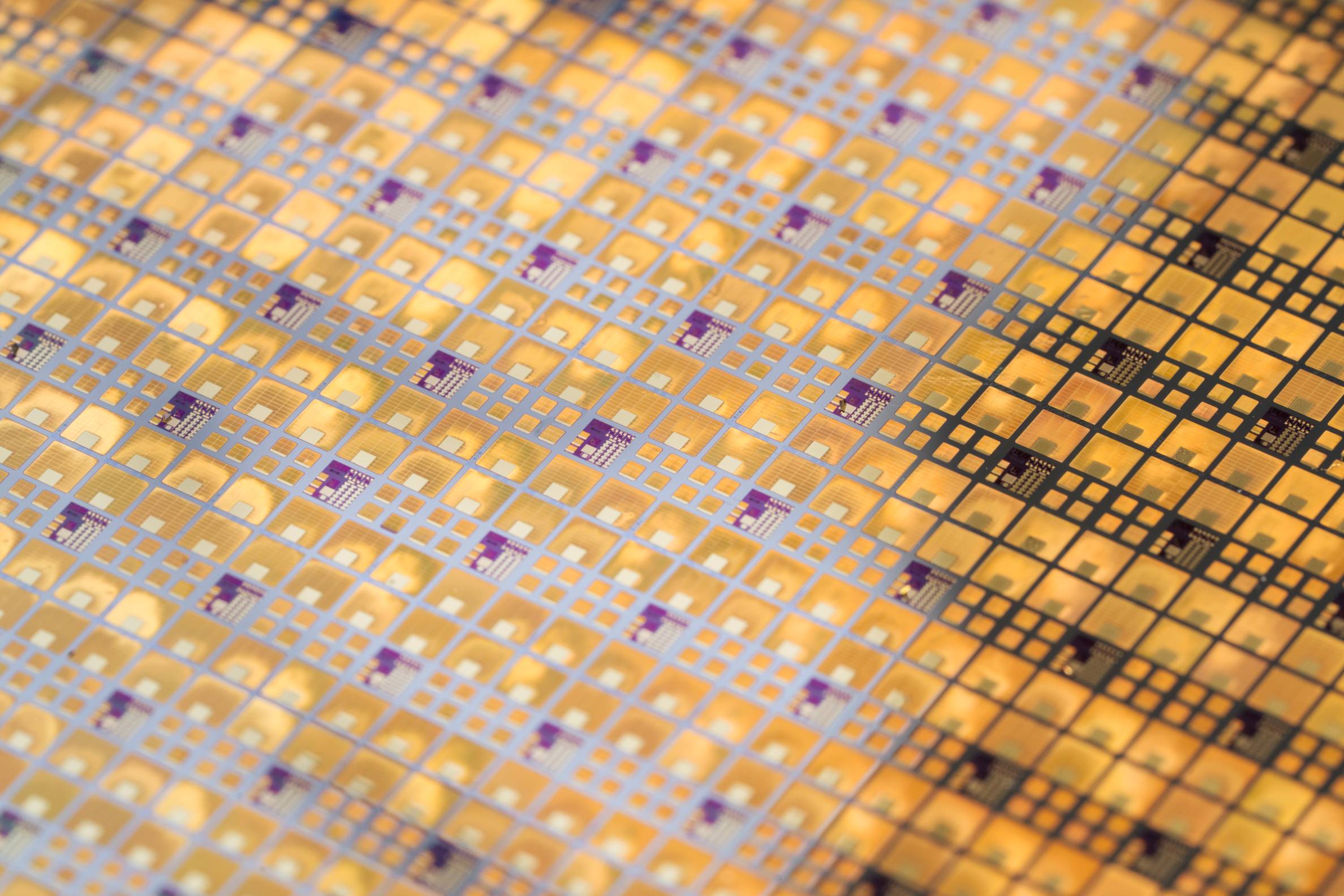
Breakthroughs in semiconductor technology take expertise across disciplines. Meet the Texas State faculty whose collaboration drives research at the CREST Center.
ENGINEERING BEYOND SILICON
Diamond and ultrawide-bandgap oxides offer exciting possibilities beyond conventional silicon electronics. Discover how two Texas State research projects bring these advanced materials together to investigate the future of high-performance semiconductors.
Combining Diamond and Advanced Oxides
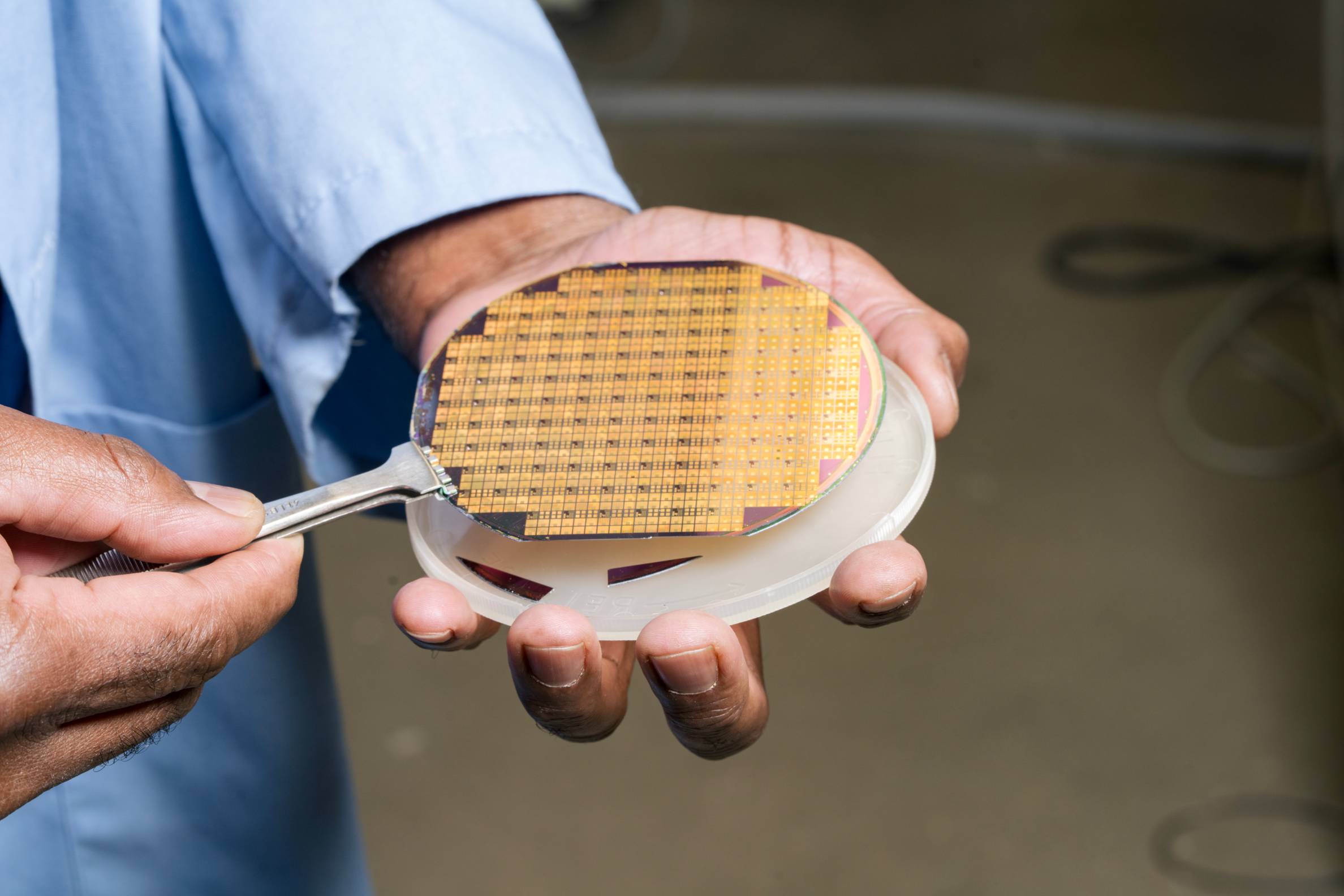
Could combining diamond with advanced oxides unlock new possibilities for electronics? Drs. Ravi Droopad, Damian Valles, Ariful Haque and Luisa Scolfaro examine material growth, characterization and AI-based modeling to advance next-generation semiconductors.
Diamond Meets Gallium Oxide
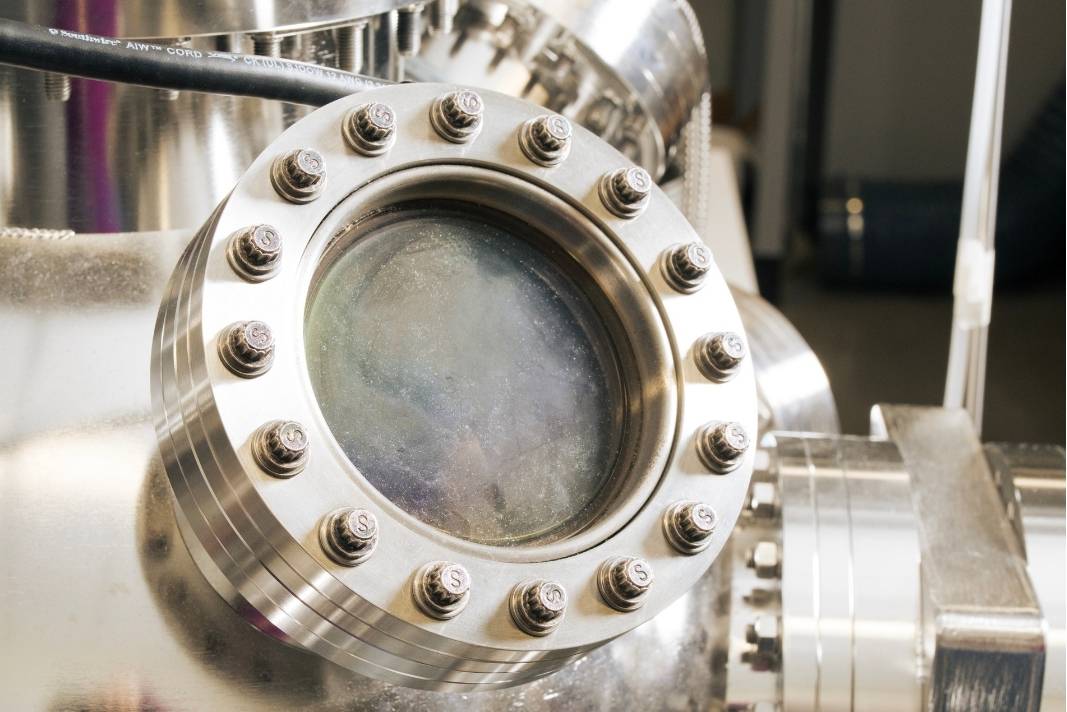
Gallium oxide holds promise for high-performance semiconductor devices, but integrating it with other materials presents new challenges. Through NSF-funded research, Dr. Ariful Haque investigates how diamond and gallium oxide can work together for advanced electronic applications.
FROM MATERIALS TO MICROCHIPS
Turning advanced materials into working technology takes precision, innovation and new manufacturing methods. From chip production to nanoscale engineering, these projects highlight the complex processes behind modern electronics.
Advancing Microchip Manufacturing
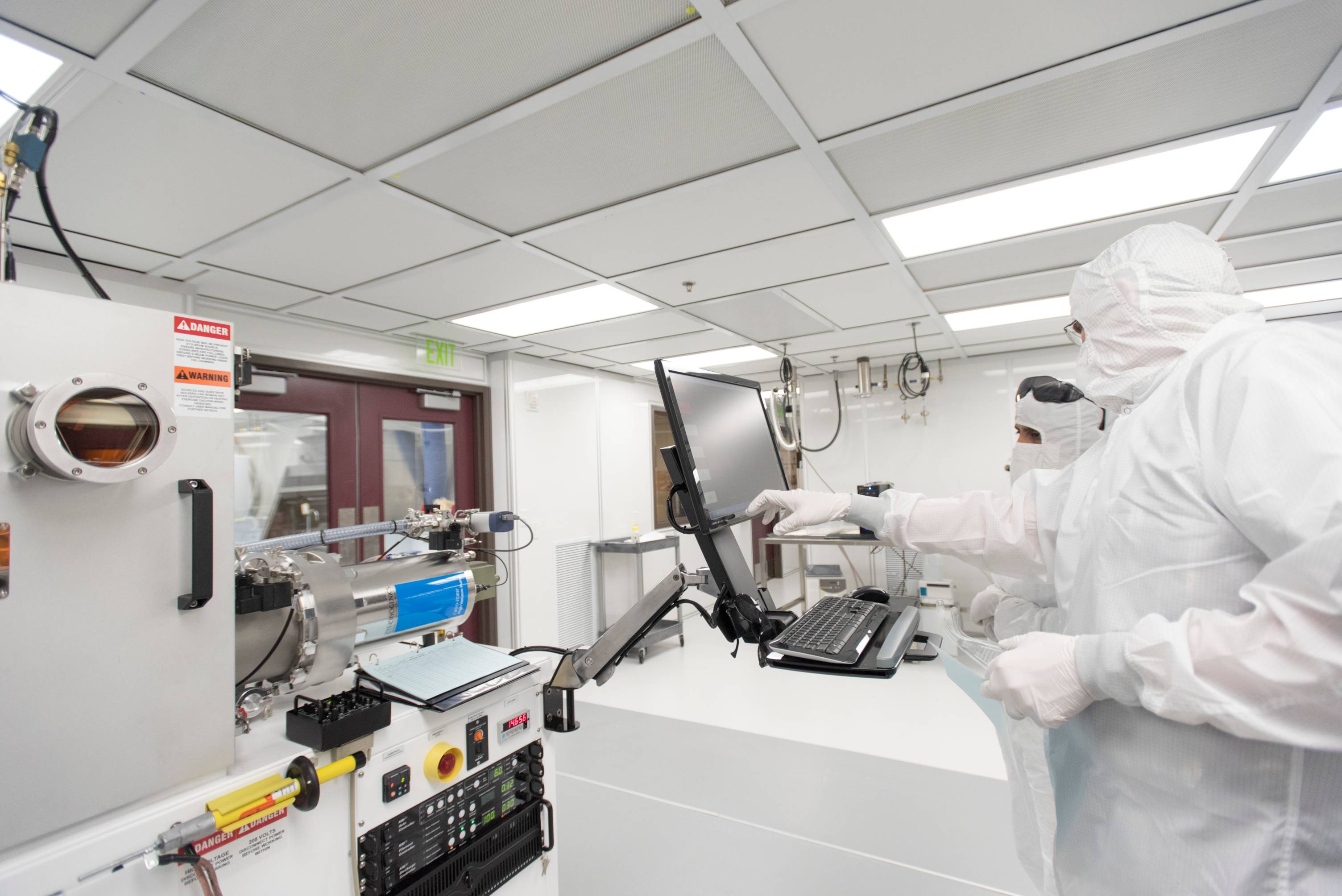
From chip design to production, manufacturing plays a critical role in modern electronics. Drs. Ravi Droopad, Jesus Jimenez, Michelle Londa and Ariful Haque contribute to the Texas Institute for Electronics initiative to strengthen advanced microelectronics manufacturing.
Engineering at the Nanoscale
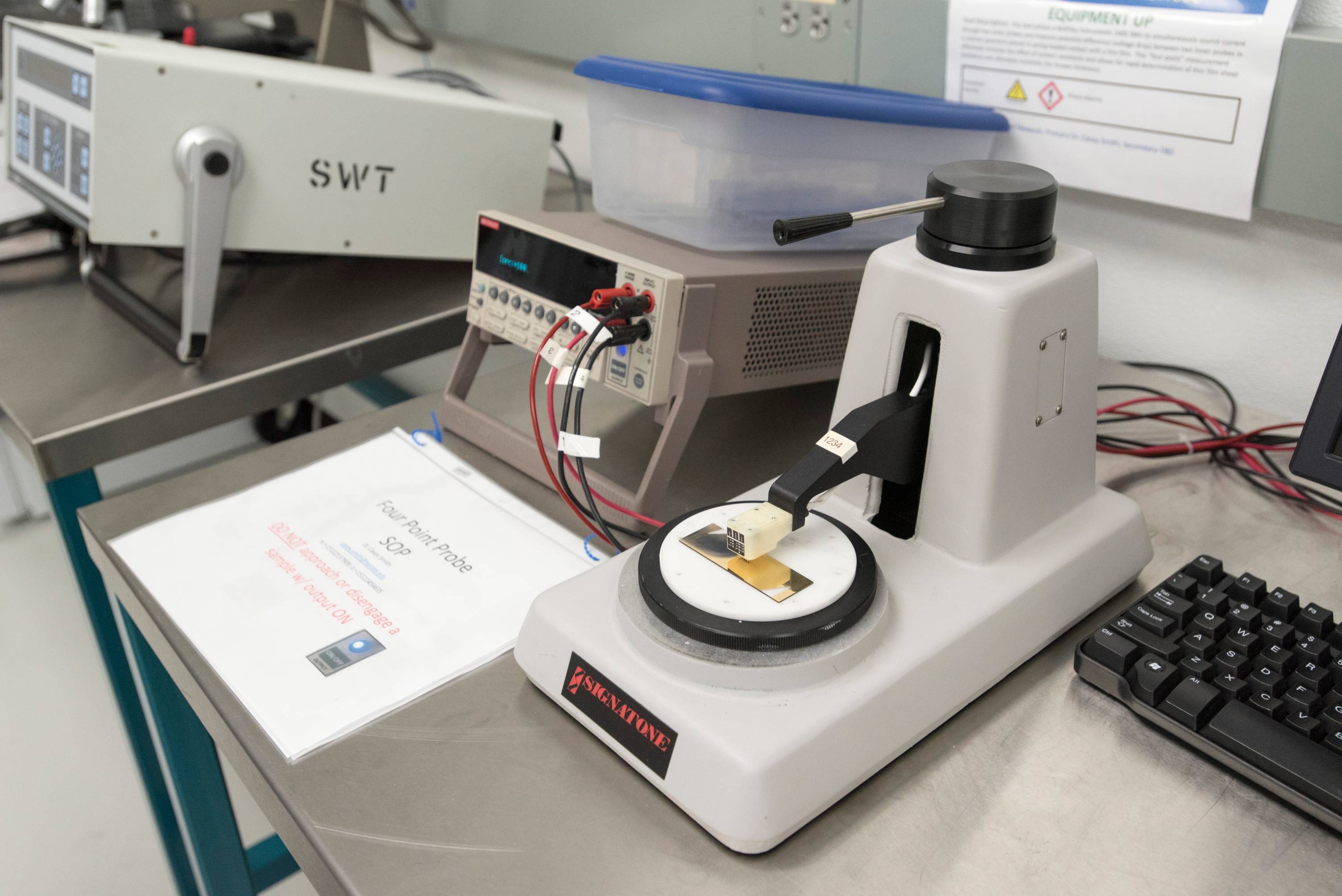
Precision at the smallest scales opens new possibilities for electronic devices. An NSF-funded initiative led by Dr. Yoichi Miyahara expands research capabilities for fabricating micro- and nanoscale structures.
Exploring Quantum Materials
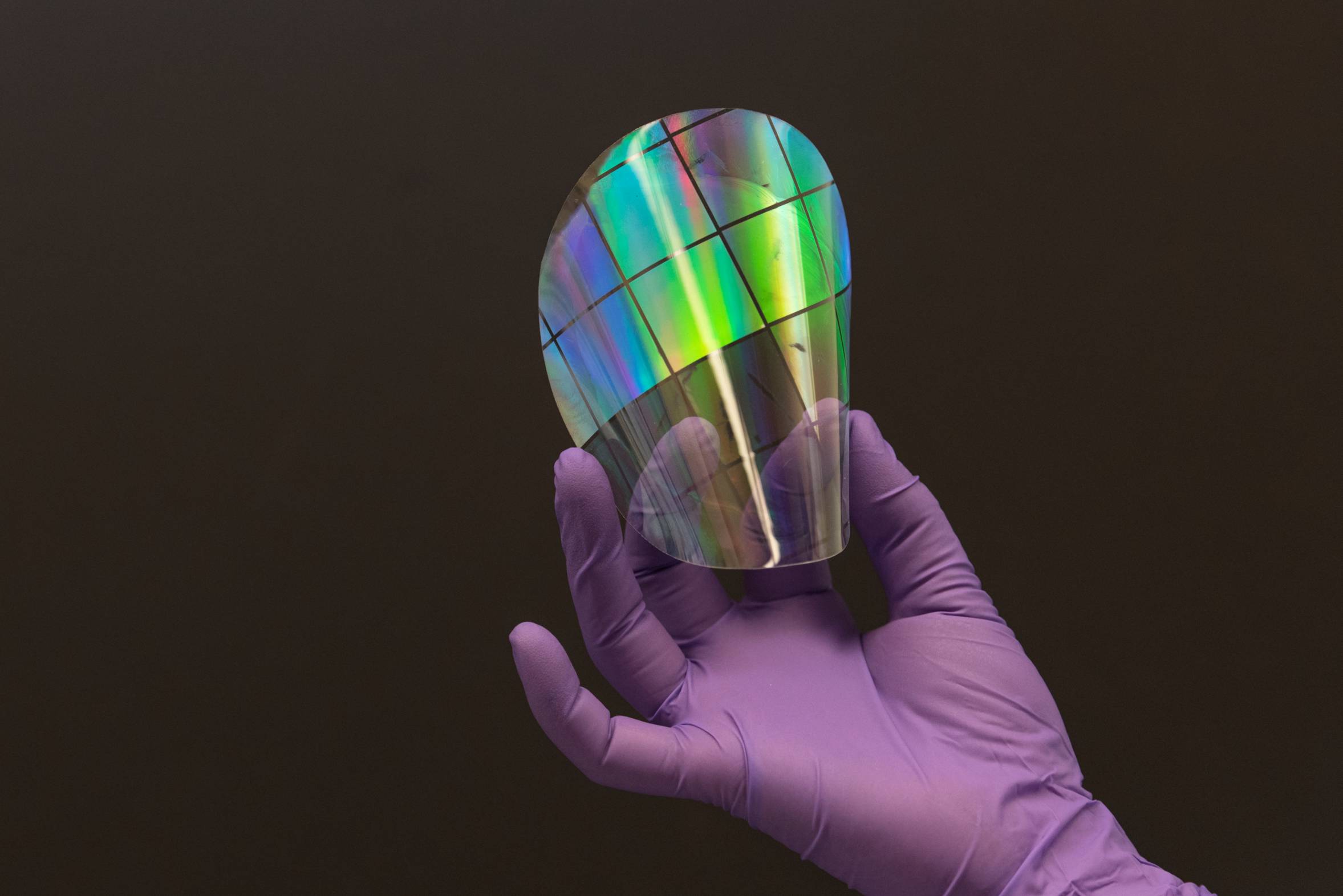
The interaction between silicon and advanced oxides could reveal new electronic properties. Dr. Nikoleta Theodoropoulou examines quantum effects and electronic transport to understand their potential in future devices.
EXPLORE YOUR PATH IN SEMICONDUCTORS
Behind every technological breakthrough is a foundation in science and engineering. Explore Texas State's academic programs that open pathways into semiconductor research and innovation.
Graduate Programs
- Electrical Engineering (M.S.)
- Electrical Engineering (Ph.D.)
- Physics (M.S.)
- Materials Science, Engineering, and Commercialization (Ph.D.)
- Engineering (M.S.)
- Chemistry (M.A./M.S.)
- Integrated Molecular and Biophysical Chemistry, (Ph.D.)
- Mechanical and Manufacturing Engineering (M.S.)
- Mechanical and Manufacturing Engineering (Ph.D.)